
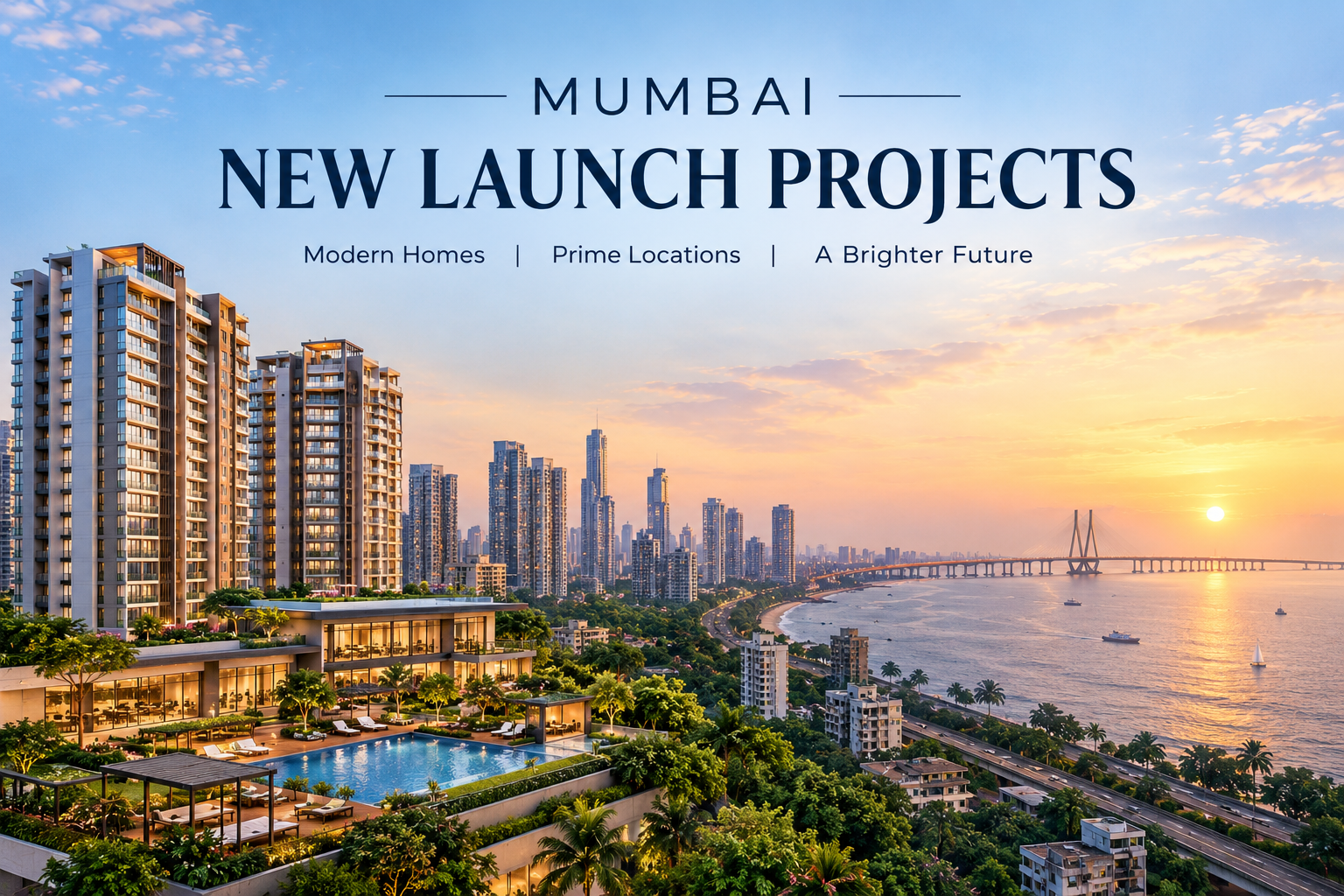
Mumbai continues to see strong demand for new homes across major residential areas. Developers are introducing projects across central Mumbai, western suburbs, eastern suburbs and fast-growing micro-markets. These developments offer different home sizes, price ranges and lifestyle features. Therefore, buyers can compare projects based on their own needs and budget.
The market now includes apartments, premium residences, luxury towers, townships and mixed-use developments. Some projects have opened bookings, while others are preparing for launch. Many projects also publish important details through MahaRERA registrations. These details can help buyers understand possession timelines, project phases and approved information. Mumbai New Launch Projects can therefore be explored through several useful filters. Buyers can start with their preferred location and then compare configuration, price, amenities and connectivity. This approach makes property research easier and more focused.
Understanding the New Residential Market Across Mumbai
The Mumbai residential market covers a wide range of locations and property types. South Mumbai remains known for premium homes and established neighbourhoods. Central areas offer strong access to business districts and transport networks. Western suburbs attract buyers who want access to employment hubs, schools, shopping areas and entertainment zones. Eastern suburbs also continue to receive new residential development due to improving connectivity and expanding infrastructure.
New Residential Projects in Mumbai can range from compact homes to large premium apartments. Developers often design new buildings with modern layouts and shared amenities. Buyers can also find projects at different construction stages. Some properties are available for early booking, while others are nearing completion. The right comparison should include more than the advertised starting price. Buyers should also check carpet area, floor plan, maintenance charges, parking, possession date and project approvals. Reviewing these factors together gives a clearer picture of the property.
Mumbai New Launch Projects by Launch Status
Launch status plays an important role when comparing residential developments. A newly launched project may have recently opened bookings. A pre-launch project may still be preparing for wider sales. An upcoming development may have announced plans but could still be progressing through approvals or early construction stages. Under-construction properties are already moving through the development cycle. Ready homes, meanwhile, allow buyers to inspect the completed product before possession.
Every stage has different considerations. Early-stage buyers may want to study payment schedules and development timelines carefully. Buyers looking for more certainty may prefer projects with visible construction progress. The possession date should always be checked against registered project information where available. It is also useful to understand whether the advertised price applies to all units or selected inventory. Comparing launch status helps buyers understand what they are purchasing and how soon the property may become available for occupation.
Exploring Upcoming Projects in Mumbai by Location
Location remains one of the most important factors in Mumbai property buying. The city has several established residential zones, and each area has a different character. Wadala, Parel and Matunga provide access to central parts of the city. Andheri West, Goregaon and Malad remain popular across the western suburbs. Mulund and other eastern locations offer another residential choice for buyers seeking homes away from the western corridor.
Upcoming Projects in Mumbai can also be compared through nearby roads, railway stations, metro routes and business districts. A project may appear attractive because of its price, but daily travel can affect its long-term suitability. Buyers should check travel time during normal working hours. They should also review nearby schools, hospitals, shopping centres and public transport options. Local infrastructure can change over time, so buyers should study both current facilities and announced infrastructure. This location-first approach helps create a practical shortlist.
Comparing New Homes by Property Type
Property type affects both the buying experience and the total cost. Mumbai offers compact apartments for buyers who want efficient layouts. Larger two and three-bedroom homes suit families that need additional rooms. Premium projects may offer four-bedroom residences or larger layouts. Some developments also include duplex homes, penthouses or other specialised formats.
Developers often use modern planning to make better use of available space. Buyers should therefore compare carpet area instead of looking only at the total saleable area. Room sizes, balconies, storage areas and utility spaces can also affect everyday comfort. Families should think about their current requirements and future needs before choosing a configuration. A smaller home may work for a single buyer, while a growing family may need additional rooms. Property type should also match the buyer’s budget, lifestyle and expected holding period. This makes configuration an important part of the overall comparison.
Price Ranges and Budget-Based Property Search
Budget is usually the first filter used by property buyers. Mumbai has homes across a wide price range, depending on location, developer, configuration, floor, amenities and project stage. A lower entry price does not always mean a lower total purchase cost. Buyers should consider registration charges, taxes, parking, maintenance deposits and other applicable expenses.
The advertised starting price usually represents selected units. Therefore, buyers should ask for the current price sheet before making financial plans. They should also check whether the quoted amount includes all major charges. A clear comparison can prevent unexpected costs later. Home loan eligibility is another important factor for buyers using finance. Monthly repayments should remain comfortable within the household budget. A careful budget review can also help buyers decide between a smaller home in a prime location and a larger home in an emerging area.
Upcoming Property Projects in Mumbai for Different Buyer Needs
Different buyers have different reasons for entering the Mumbai property market. Some buyers want a primary residence close to work. Others want a larger home for their family. Some may consider property as a long-term investment, while others want a future home in a developing neighbourhood. Because of these differences, there is no single property format that suits everyone.
Upcoming Property Projects in Mumbai can be studied according to location, home size, construction stage and planned amenities. A working professional may value metro access and shorter travel times. A family may give greater importance to schools, hospitals and larger floor plans. Buyers with a longer timeline may study early-stage projects in developing areas. However, every buyer should verify project approvals, builder details and registered information before booking. A project comparison becomes more useful when it reflects actual personal requirements instead of only focusing on promotional features.
Choosing Upcoming Apartments in Mumbai for Family Living
Family buyers usually look beyond the apartment itself. They also consider the building environment, surrounding neighbourhood and access to daily facilities. A good family home should offer enough space for present needs while allowing flexibility for the future. Two and three-bedroom layouts are commonly considered by families because they provide separate spaces for parents, children and guests.
Upcoming Apartments in Mumbai may include features such as landscaped areas, children’s play spaces, fitness facilities, clubhouses and community areas. These features can support daily convenience, but buyers should also examine their actual maintenance requirements. Security systems, lifts, parking and power backup can influence everyday living. Families should also study the floor plan carefully. Furniture placement, natural light and ventilation can make a major difference. Visiting the location and understanding the surrounding area can provide useful information that a brochure may not show.
Pre-Launch Opportunities and Early Project Information
The pre-launch stage often attracts buyers who want to explore a project early. At this stage, developers may share basic project information, proposed configurations and early pricing details. However, information can change as the project moves through approvals and formal development stages. Buyers should therefore avoid relying only on early promotional material.
Pre Launch Projects in Mumbai require careful verification of available information. Buyers should check the developer’s track record and the project’s approval status. They should also understand when formal bookings are permitted and what documentation is available. A lower introductory price can appear attractive, but the buyer should understand the terms attached to it. Payment schedules, cancellation rules and future charges should be clear before committing funds. Early research can be useful, but it should always be combined with proper legal and project verification.
Understanding Pre-Launch Properties Before Booking
Pre-launch properties can appear in different forms across Mumbai. Some may be planned developments awaiting formal registration. Others may be announced projects preparing for launch. The exact status can vary, so buyers should ask for clear documentation. The developer should provide relevant information about the project, land, approvals and proposed development.
Pre Launch Properties in Mumbai should be evaluated with patience. Buyers can study the location, developer history, proposed layout and expected configuration. They can also compare the project with existing developments nearby. This comparison can help buyers understand whether the proposed pricing fits the local market. Buyers should not make a payment simply because a project is promoted as an early opportunity. Instead, they should understand the booking terms and applicable legal requirements. A clear paper trail and transparent communication can make the process easier. Early-stage property research should always focus on verified information rather than urgency.
Latest Developments Across Established Mumbai Micro-Markets
Mumbai’s established neighbourhoods continue to attract developers because of strong residential demand. Areas such as Andheri, Goregaon, Malad, Mulund, Wadala and Parel offer different combinations of transport, employment and social infrastructure. New projects in these areas often replace older structures or use redevelopment opportunities. This can create modern housing options within established neighbourhoods.
Latest Upcoming Projects in Mumbai should be compared through their exact micro-market rather than the city name alone. Two projects can have very different pricing even when they are only a few kilometres apart. Road access, railway connectivity, metro routes and nearby commercial areas can influence demand. Buyers should also study the immediate surroundings. A property close to a major road may have excellent access but higher traffic exposure. Another project may offer quieter surroundings but longer travel times. Looking at these details helps buyers understand the actual location value.
Luxury Homes and Premium Residential Developments
Mumbai has a strong premium housing segment. Luxury developments often focus on larger homes, high-end interiors, private amenities and premium building services. These projects are commonly located in established or high-demand areas. Buyers in this segment may place greater emphasis on privacy, views, building design and branded facilities.
Premium homes also require a wider financial assessment. The purchase price is only one part of the total cost. Buyers should consider registration expenses, interior work, maintenance and other ownership costs. They should also compare the carpet area and specifications carefully. A premium project should be studied based on actual deliverables rather than marketing language. The developer’s previous projects can provide useful context about construction quality and project execution. Location remains important as well. Buyers should consider road access, nearby commercial districts and future infrastructure. A luxury home should fit both the buyer’s lifestyle requirements and long-term financial plan.
Townships and Large Residential Communities
Large developments offer a different style of residential living. Townships may combine homes with landscaped areas, retail spaces, recreation facilities and community infrastructure. Such projects can appeal to families who want several daily facilities within or near the development. The larger layout may also create more internal open spaces.
However, township buyers should study the full development plan. Some facilities may become operational in phases. Construction may continue for several years across different sections. Buyers should understand which amenities belong to their phase and which facilities are planned for later. They should also check access roads and nearby public transport. A large project can offer many facilities, but daily travel outside the community still matters. Buyers should therefore consider both internal amenities and external connectivity. Reviewing the development timeline can help set realistic expectations about the project’s future environment.
Connectivity and Transport Around New Developments
Transport access strongly influences residential demand in Mumbai. Railway stations, metro lines, major roads and bus routes can affect daily travel. Buyers should look at the actual distance from the project to these facilities. Advertised connectivity can sometimes refer to a wider neighbourhood rather than walking distance from the property.
A practical location review should consider normal travel conditions. A route that looks short on a map may take longer during peak hours. Buyers should check access to major employment areas as well. For families, school and hospital connectivity may be equally important. Future transport projects can also influence a neighbourhood, but buyers should distinguish between approved infrastructure and early proposals. Current road conditions and public transport should remain part of the decision. A well-connected property can make everyday life easier, but buyers should compare the complete location rather than relying on one connectivity claim.
Amenities That Matter in Modern Residential Projects
Modern projects often provide a wider range of shared amenities than older buildings. Clubhouses, gyms, swimming pools, gardens, children’s areas and multipurpose halls are common examples. Some premium projects may add sports facilities, lounges and workspaces. These features can improve the lifestyle experience, especially for families who spend more time within the community.
However, amenities should be evaluated based on actual use. Buyers should ask whether the facilities are included in their project phase. They should also understand maintenance costs. A large amenity package can increase ongoing expenses if facilities require high operating costs. Buyers should compare the quality and size of facilities instead of counting the number of amenities. Safety, cleanliness and accessibility are also important. The best amenity list is not necessarily the longest one. Practical facilities that residents can use regularly may offer more everyday value.
Floor Plans, Carpet Area and Home Design
Floor plans provide important information before a property purchase. Buyers should study the arrangement of bedrooms, living spaces, kitchens, bathrooms and balconies. A larger carpet area does not automatically mean a better layout. Efficient planning can make a moderately sized home feel comfortable and useful.
Natural light and ventilation should also receive attention. Window placement can affect both daylight and airflow. Buyers should consider furniture placement before selecting a specific unit. Families may also need storage areas, utility spaces or additional rooms. The direction of the apartment can matter for buyers with specific preferences. High-floor homes may offer better views, while lower floors may provide easier access. Each option has different practical considerations. Buyers should compare multiple floor plans within the same project before making a final choice.
MahaRERA Details and Project Verification
Project verification is one of the most important steps in property research. Buyers should check whether a project requires MahaRERA registration and review the information available through the official registration records. Project details can include the promoter, registered address, proposed completion date and other important information.
The registered project information should be compared with sales material. Buyers can check whether the advertised configuration and possession details match the available records. They should also review project phases carefully. A large development may have separate registrations for different phases. Understanding the exact phase is important because completion dates can differ. Buyers should retain copies of booking documents, payment schedules and other important paperwork. Legal review can also help identify issues before a major financial commitment. Proper verification does not remove every property risk, but it can help buyers make decisions using reliable information.
How Buyers Can Compare Developers in Mumbai
The developer plays a major role in a project’s execution. Buyers can study the builder’s previous developments, construction timelines and delivery history. They can also examine the quality of completed projects. Visiting an existing development may provide a better understanding than relying only on advertisements.
Buyers should also review how clearly the developer communicates project details. Transparent information about pricing, specifications, approvals and possession can make the buying process easier. Large developers may have multiple projects across Mumbai, while smaller developers may focus on selected micro-markets. Both can have different project profiles. Therefore, buyers should assess the specific project instead of relying only on the developer’s brand name. Construction quality, documentation, project planning and after-sales support can all influence ownership. A detailed comparison can help buyers create a more informed shortlist.
New Projects for First-Time Property Buyers
First-time buyers often need a simple and clear research process. The large number of projects in Mumbai can make the market difficult to understand. Buyers should begin with their budget and preferred travel area. They can then compare home sizes and project stages. This reduces the number of properties that require detailed review.
First-time buyers should also understand the difference between carpet area and other area measurements. They should ask for a complete cost sheet before calculating their loan requirement. The monthly repayment should fit comfortably within their income. Buyers should also keep money aside for registration, interiors and moving expenses. A site visit can help them understand the actual neighbourhood. They should avoid making a decision based only on a limited-time sales offer. Taking time to read the documents and compare alternatives can make the purchase process more organised and less stressful.
Investment Considerations for Mumbai Property Buyers
Property investors may focus on rental demand, future development and resale potential. However, these factors can vary significantly between Mumbai micro-markets. A property close to offices, transport hubs and educational institutions may have a different tenant profile from a property in a quieter residential area.
Investors should compare purchase cost with expected rental income and ownership expenses. They should also consider the project’s completion timeline. Under-construction properties may have a different cash-flow pattern than completed homes. Future infrastructure can influence a location, but expected benefits should not be treated as guaranteed outcomes. Investors should study current evidence and available project information. Holding period is another important consideration. A short-term purchase strategy differs from a long-term ownership plan. A clear financial model can help investors understand the potential costs before they commit to a property.
What to Check Before Paying a Booking Amount
A booking payment represents an important financial commitment. Buyers should first understand the project, unit and payment terms. The exact apartment number, carpet area, floor, parking arrangement and quoted price should be clear. Buyers should also understand the cancellation and refund conditions.
The agreement and supporting documents deserve careful attention. Buyers should check the developer’s details and project registration information. Any promised feature should be reflected in the relevant documentation where applicable. Verbal commitments should not replace written terms. Buyers can also ask for a detailed cost sheet showing applicable charges. Loan buyers should understand the lender’s approval process before making large commitments. Legal and financial professionals can provide independent guidance when needed. A careful document review can help buyers understand their obligations before they sign.
Comparing Possession Dates and Construction Progress
Possession timing can influence both financial planning and lifestyle decisions. Buyers who are currently renting may want a clearer estimate of when they can move. Investors may also need possession information to plan rental strategies. Therefore, the stated completion date should be reviewed carefully.
Construction progress provides another useful reference. Buyers can visit the project site and observe visible development. However, construction speed can change due to several factors. Buyers should therefore compare the developer’s stated timeline with registered project information. They should also understand whether the possession date applies to their exact phase. Large projects may deliver different towers at different times. A careful review can reduce confusion. Buyers should keep copies of project updates and payment records throughout the purchase process. Clear documentation helps create a better understanding of the expected delivery timeline.
Making a Practical Shortlist for 2026
A good property shortlist should contain only projects that match the buyer’s actual requirements. Start with the preferred location and maximum budget. Then compare configuration, carpet area and project stage. After that, review amenities, connectivity and possession information. This process can reduce the number of projects that need a detailed site visit.
The shortlist should also include projects at different stages when appropriate. A buyer may compare a newly launched project with an under-construction development nearby. This can reveal differences in pricing, possession and specifications. Buyers should record important information during every comparison. They can note the quoted price, carpet area, floor plan and additional charges. This makes it easier to compare projects later. A shortlist should not be based only on promotional offers. Verified project details and personal requirements should remain the main basis for property research.
Why Location Should Come Before Project Features
Project features can attract attention quickly, but location affects everyday life for many years. A large clubhouse may look impressive, yet daily travel remains a regular part of home ownership. Buyers should therefore understand the neighbourhood before becoming attached to a particular project.
The surrounding area affects access to schools, offices, hospitals, shops and transport. It can also influence noise levels, road access and future development. Buyers should visit the location at different times when possible. Morning and evening conditions may provide different experiences. They should also study nearby construction activity and major infrastructure plans. A location comparison can then be combined with project-level details. This creates a more balanced view of the property. Buyers who start with location can often eliminate unsuitable projects before spending time on detailed floor plans and sales discussions.
Planning for Long-Term Home Ownership
Buying a home is usually a long-term financial decision. Therefore, buyers should think beyond the booking date. Family size, career plans, commute requirements and future financial commitments can all change. The selected home should provide reasonable flexibility for these changes.
Maintenance costs should also be considered over the ownership period. Larger homes may require higher maintenance and utility expenses. Premium facilities can also affect monthly charges. Buyers should understand the likely recurring costs before purchase. They should also consider the building’s long-term upkeep and management structure. Parking, storage and repair policies can become important after possession. A property that works well today should also remain practical several years later. Long-term planning helps buyers look beyond the initial price and understand the complete ownership experience.
Frequently Asked Questions About Mumbai Property Launches
What types of projects are available in Mumbai?
Mumbai offers apartments, premium residences, luxury homes, townships and mixed-use developments. Buyers can find compact units as well as larger family homes. The exact options depend on the location, developer and project stage. Buyers should compare carpet area, configuration and total cost before choosing a property.
How can buyers check the status of a new project?
Buyers can review the project’s official information and applicable MahaRERA records. The registration details can help confirm the promoter, project phase and registered completion information. Buyers should compare these details with the sales material. They can also visit the project site to understand visible construction progress.
Are early-stage projects suitable for every buyer?
Early-stage projects may suit buyers with a longer timeline. However, they require careful review of project status, approvals and payment terms. Buyers should understand the risks and documentation before committing money. The expected possession date should also fit the buyer’s personal timeline.
What should buyers compare besides the property price?
Buyers should compare carpet area, configuration, location, connectivity, amenities and possession date. They should also check parking, maintenance charges and other applicable costs. Developer history and project documentation can provide additional context. Looking at all these factors creates a more complete comparison.
How should buyers choose between two similar projects?
Buyers can compare the projects using the same criteria. Location, total cost, usable area, possession timeline and project specifications are useful starting points. They can also compare travel time and nearby facilities. Site visits can help buyers understand differences that may not appear in brochures.
Final Thoughts on Choosing a New Home in Mumbai
Mumbai’s property market offers many choices across established and developing locations. New launches can provide modern layouts, updated amenities and different configuration options. However, every project has its own location, pricing structure, construction stage and delivery timeline. Buyers should therefore avoid comparing projects only through advertisements or starting prices.
A structured approach makes property research easier. Start with the location, then review budget and home configuration. Next, compare project status, carpet area, amenities and connectivity. Finally, verify the developer and project documentation before making a booking decision. Mumbai New Launch Projects can be explored more effectively when buyers focus on verified information and their own requirements. A careful comparison can help buyers narrow the market and identify homes that fit their budget, lifestyle and expected timeline.